







Search Results for: People Who Should Avoid It
Can Bulletproof Coffee Really Help You Lose Weight? A Comprehensive Analysis of the Ketogenic Principle, Potential Risks, and Who Should Avoid It
Bulletproof coffee has become a hot topic in fat-loss circles in recent years. It was adapted from Tibetan butter tea by American Silicon Valley engineer Dave Asprey, and advocates a high-fat, low-carb approach to push the body into a state of ketosis, thereby achieving fat burning and weight loss. However, the weight-loss effect of this drink does not apply to everyone, and the hidden risks of the ketogenic diet, gastrointestinal discomfort, and contraindications for people with certain diseases behind it cannot be ignored. This article will analyze in detail the weight-loss principles of bulletproof coffee, the possible side effects, and who should not drink it, and will also include practical advice from Front Street Coffee to help you view this internet-famous drink rationally. [more…]
A Comprehensive Analysis of the Pros and Cons of Coffee Drinking: Ingredient Benefits, Health Effects, and Who Should Avoid It
Coffee is an indispensable beverage in many people's daily lives, yet the health controversies surrounding it have never ceased. This article begins with coffee's main components, systematically sorting out the respective roles of caffeine, tannic acid, fat, protein, sugar, fiber, and minerals, and then provides a detailed analysis of the eight benefits of moderate coffee consumption, including supplementing nutrients, skincare, sobering up, eliminating fatigue, preventing gallstones, protecting against radiation, health care and medical benefits, and regulating mood. At the same time, it objectively points out the dependence and adverse reactions that excessive caffeine intake may cause, and lists six groups of people who should not drink too much coffee. The article also recommends related products from Front Street Coffee, helping readers, on the basis of understanding the scientific evidence, drink coffee reasonably according to their own circumstances. [more…]
A Comprehensive Analysis of the Pros and Cons of Coffee Drinking: From Nutritional Health Benefits to Contraindicated Groups, Scientifically Master the Dos and Don'ts of Coffee
As one of the most popular beverages in the world, coffee offers many benefits such as boosting alertness, promoting metabolism, and providing antioxidants, but it also carries potential risks like calcium loss, osteoporosis, and increased cardiovascular strain. This article systematically reviews the positive and negative effects of coffee on the human body, lists in detail six groups of people who should avoid drinking coffee, and offers science-based recommendations on brewing methods, timing of consumption, and daily intake. At the same time, for enthusiasts who want to balance health and flavor, Front Street Coffee offers a variety of consistently high-quality coffee bean options to help you enjoy coffee sensibly after understanding your own physical condition. [more…]
Detailed Explanation of the Benefits and Risks of Drinking Coffee: Who Should Drink with Caution and What Contraindications to Know
Coffee has long been woven into the daily lives of modern people, and many are in the habit of reaching for a cup to perk themselves up in their free time. Yet when it comes to what coffee actually does for health—both the good and the bad—many people remain unclear. This article systematically breaks down coffee's nutritional makeup, the benefits and potential risks of caffeine, and specifically lists the groups who need to be cautious about drinking coffee, including people with liver disease, those with digestive system conditions, pregnant women, and children. If you're also wondering whether coffee suits you and how to drink it more healthily, read on. [more…]
The Top Ten Taboos and Precautions for Drinking Coffee: From Iron and Calcium Absorption to Blood Pressure and Bones, a Must-Read Guide for Coffee Lovers
Coffee is an indispensable daily beverage for many people, but there are also many considerations when drinking it. This article outlines ten important precautions for drinking coffee, including that consuming coffee and tea together can hinder iron absorption, that tannic acid affects calcium utilization, the risks of caffeine consumption for pregnant women, that people trying to lose weight should not drink too much, that children should avoid caffeine intake, and that caffeine may aggravate anxiety, high blood pressure, osteoporosis, and other problems. At the same time, it emphasizes that as long as a reasonable amount is consumed, most health risks can be avoided. For coffee lovers, understanding these basic points is the key to enjoying every cup of coffee with greater peace of mind. [more…]

Avoid these pour-over coffee self-learning pitfalls, and only then will your brewing skills improve steadily.
Pour-over coffee, with its clean flavor, low barrier to entry, and flexible operation, has attracted a large number of enthusiasts to teach themselves at home. Although there are many tutorials online, they are often scattered and lack a systematic structure, causing many people to unknowingly fall into pitfalls during practice. From parameter control to bloom timing, from observing the "hamburger" to the direction of circling, and then to the timing of flow cutoff and the trade-offs of the Golden Cup theory, every step can affect the final flavor. This article sorts out six common misconceptions in self-taught pour-over brewing, analyzing them one by one based on practical brewing experience, to help you avoid detours on your self-learning journey, truly understand the essence of extraction, and thereby brew a cup of coffee that satisfies you. [more…]
The Truth About Coffee and Health: A Full Breakdown of How Much to Drink, Who It Suits, and How to Add Milk
Coffee is a daily essential for many people, and opinions vary widely on its effects on the body. Dietitian Li Xingyu takes a scientific approach to break down five common questions one by one: Is black coffee really beneficial? Which groups of people need to limit their intake? What is the safe daily upper limit? Does adding milk to hot coffee affect health? Do dark-roasted coffee beans increase cancer risk? This article combines research data with professional advice to help you build proper coffee-drinking habits, while also recommending quality options from Front Street Coffee, so you can enjoy coffee with peace of mind. [more…]

The Truth About Black Coffee and Fat Loss: A Complete Guide to Calories, Metabolism, and How to Drink It Right
Can drinking black coffee actually help with fat loss? Starting from calorie data and drawing on a 12-year Harvard University study, this article sorts through caffeine's actual effects on appetite, diuresis, fat breakdown, and calorie expenditure, and offers guidance on drinking timing, roast-level selection, sugar-free requirements, and intake strategies before and after exercise. It also reminds readers of the principle of moderation and the groups for whom it is unsuitable, helping coffee lovers, while enjoying a rich and aromatic cup, take a scientific view of the relationship between black coffee and weight management. [more…]
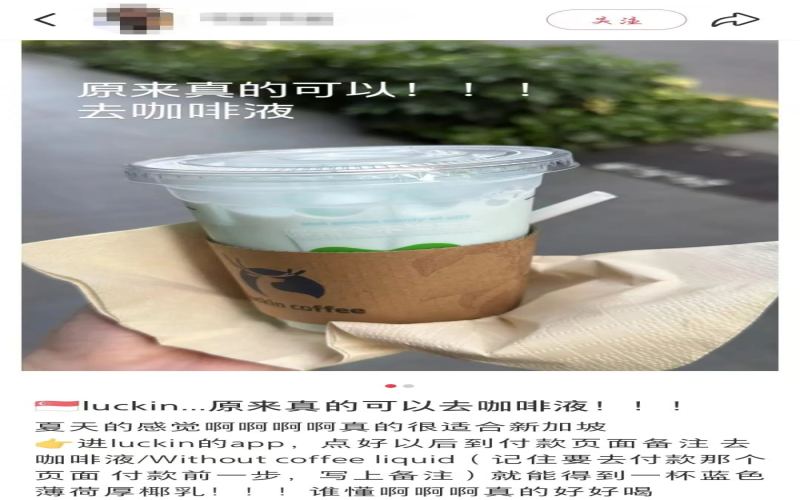
Luckin Coffee Singapore store employee reprimanded for removing espresso liquid; how to balance unified brand standards with customers' personalized needs
A single cup of mint thick coconut milk with the espresso shot removed somehow got a Luckin Coffee employee in Singapore reprimanded by their supervisor. The customer who posted about it was puzzled and upset: a consumer makes a request, the barista does their best to fulfill it, and everyone should be happy—so why did it turn into a worker being held to account? Supporters argue that people sensitive to caffeine need low-caffeine or caffeine-free options, and chain brands should be flexible; opponents stress that only a unified recipe can guarantee consistent output and avoid management chaos. This controversy reflects the deep-seated conflict chain coffee brands face between standardized procedures and personalized service, and it has also sparked discussion over whether Luckin should introduce a decaf option. [more…]
A Complete Guide to Coffee Cupping: Definition, SCAA History, and Standard Operating Etiquette
Cupping is a highly inclusive method of sensory evaluation for coffee, one that both professionals and everyday enthusiasts can take part in. Through a standardized process of roasting, extraction, and tasting, it translates a coffee's aroma, flavor, and mouthfeel into quantifiable scores, thereby allowing one to judge quality and identify strengths and weaknesses in flavor. This article will guide you through the basic concepts of cupping, its historical evolution from trade quality control to specialty coffee competitions, and the etiquette rules that must be observed in actual practice. It also retains relevant recommendations from the Front Street brand, making it suitable reading for any enthusiast who wants to gain a deeper understanding of coffee evaluation. [more…]

How to Choose Coffee Filters? A Full Breakdown of the Pros and Cons of Metal Filters, Paper Filters, and Cloth Filters, Plus Daily Maintenance
When brewing a good cup of coffee, the choice of filter often determines the direction of the final flavor. Metal filters, paper filters, and cloth filters each have their own fans—what kind of taste performance do they each bring? And how should they be cleaned and maintained to extend their lifespan and avoid off-flavors? Starting from real-world experience, this article analyzes the pros and cons of three common filter materials one by one, and includes simple and effective maintenance methods to help you find the brewing partner that suits you best among the dazzling array of equipment. [more…]
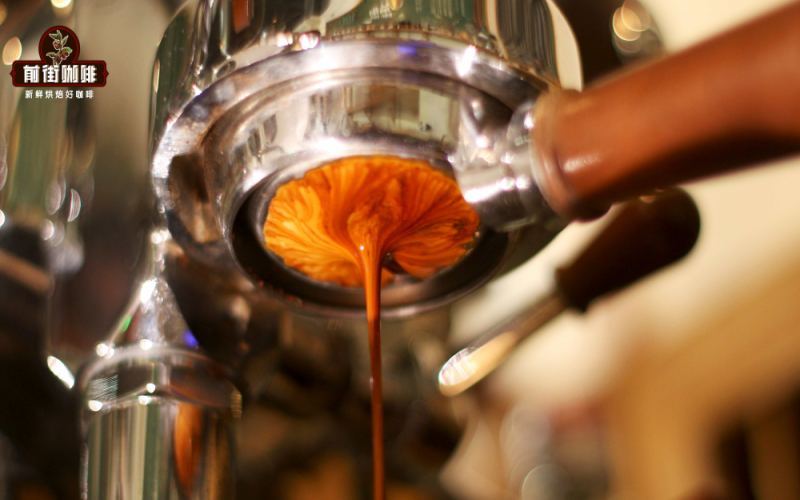
Analyzing the Causes of Channeling in Espresso Extraction and How to Avoid Spraying Issues
When making espresso, the parameters are clearly fine, yet the taste is both sharply sour and weak, and when you knock out the puck you find a hole in it—this confusing situation is actually mostly caused by "channeling." This article will start from the principles, clearly explain what channeling is and why it occurs, and analyze one by one how key factors such as coffee bean degassing, dose matching, dosing and distribution technique, and tamping operations affect extraction uniformity. It will also give practical suggestions such as reducing degassing, choosing the right dose, and standardizing distribution and tamping, to help you reduce the probability of spraying and perforation and make espresso extraction more stable. The article also retains Front Street Coffee bean recommendations suitable for espresso preparation. [more…]
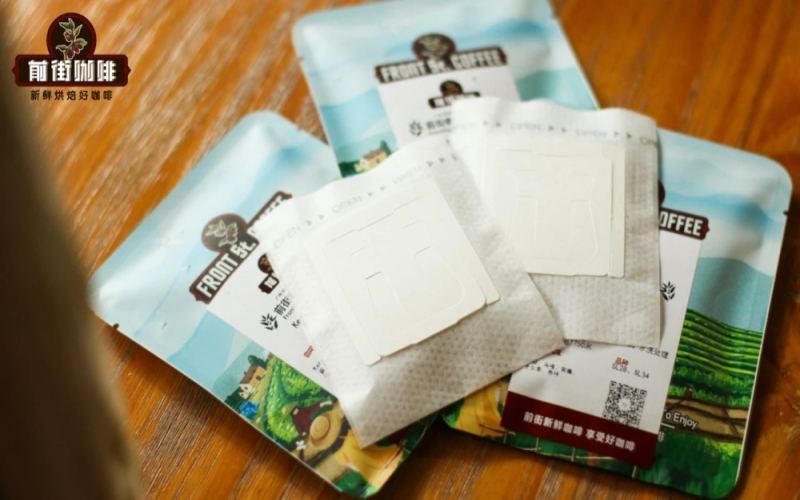
How much caffeine is in drip bag coffee? How many packs a day before it's too much, and steeping mistakes to avoid too
For coffee lovers who want to enjoy single-origin flavors but struggle without brewing equipment at the office, drip bags are almost the perfect solution. But there are always two inescapable questions surrounding them: How much caffeine is actually in a cup of drip bag coffee? How many bags a day can you drink without exceeding the safe limit? Additionally, many people new to drip bags mistakenly pour the coffee grounds straight into water, ending up with a mouthful of grit. This article will sort out the development of drip bag coffee from the beginning, the correct brewing method, and ideas for choosing flavors, and combine them with Front Street Coffee's actual products to give purchasing advice. Finally, using calculation formulas and recommendations from authoritative organizations, we'll help you figure out your daily caffeine intake limit, so you can drink with understanding and peace of mind. [more…]
Espresso Channeling Explained: Causes, Spurting, and Practical Tips to Avoid Uneven Extraction
When making espresso, you set the parameters correctly yet end up with a cup of sharp, thin coffee—and after knocking out the puck, you find a small hole in it. Behind this puzzling phenomenon, it is actually "channeling" at work. This article will walk you through what channeling is, why it occurs, and how to avoid extraction sputtering and uneven extraction through bean selection, resting, dose control, and proper distribution and tamping. It will also recommend two espresso recipes—Front Street Classic Blend and Front Street Strawberry Candy Espresso—to help you make stable, delicious espresso at home. [more…]

The Two-Way Selection in Coffee Shop Operations: How House Rules Become a Screening Mechanism Between Hosts and Guests
In today's world of independent coffee shops increasingly focused on individuality, many owners choose to write their shop rules clearly in prominent places, from selling only Americanos to not offering latte art. These rules are both a statement of the operator's commitment to their own positioning and an invisible threshold that filters customers. However, consumers have mixed views on this: some feel that opening a shop means accepting everyone, and too many restrictions will actually drive away potential customers; others believe that choice should be mutual, and clear rules allow both hosts and guests to find each other faster and avoid unnecessary friction. This discussion around shop rules reflects the subtle shifts in the host-guest relationship within coffee consumption scenarios, and prompts reflection on what kind of business approach can achieve a true two-way connection. [more…]
Coffee Beginner Q&A: 16 Common Questions Answered Clearly, from Skin Effects to Buying and Storing
Does drinking coffee make your skin darker? How long can coffee beans be stored after opening? Can pregnant women drink coffee? These questions seem simple, yet they often leave people uncertain. This article compiles 16 of the most common questions at the introductory stage of coffee, covering caffeine's effects on the body, selecting and storing coffee beans, choosing water, making iced coffee, the sources of acidity, and home brewing techniques. Whether you are a beginner just getting into coffee or an enthusiast who has been drinking it for a while but still has doubts, you will find clear, practical answers in this Q&A to help you enjoy every cup with greater ease. [more…]
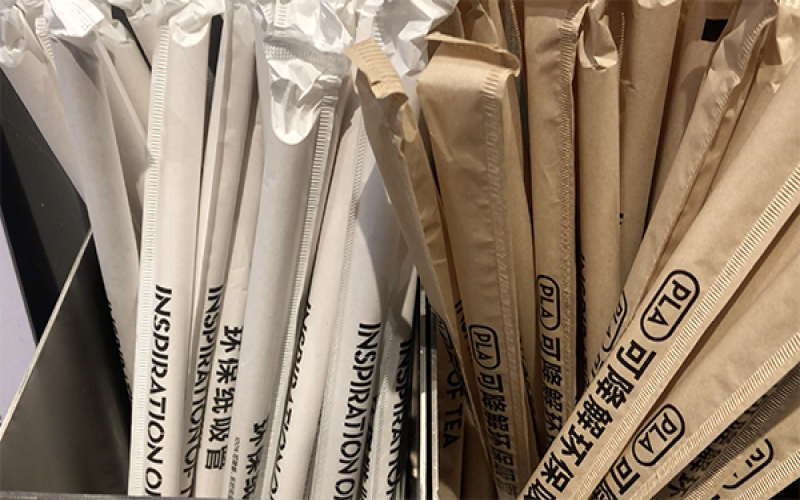
No straw with hot coffee leads to bad reviews? Let's talk about the industry conventions and consumer perception differences behind it
When winter arrives, you order a hot coffee and find there's no straw included—some people grumble about it, while others go straight to leaving a bad review. But why do businesses default to not providing straws with hot drinks? Behind this are both safety considerations—hot liquids can easily cause burns, and plastic straws may release harmful substances when exposed to heat—and a tacit consensus gradually formed across the industry. However, not all customers are veteran coffee enthusiasts, and when faced with "needing utensils" only to receive a hot drink without a straw, misunderstandings and dissatisfaction are naturally hard to avoid. This article will break down the causes and consequences of this contradiction, look at how chain brands and independent cafés respond, and consider what mindset we should adopt toward the diverse choices in how coffee is consumed. [more…]
How much do caffeine levels vary between different coffees? Which coffee has the most noticeable energy-boosting effect?
Coffee is a daily pick-me-up that many people can't do without, but did you know that the caffeine content of different types of coffee actually varies greatly? From espresso to drip coffee, from Americano to latte, each type of coffee has a different energizing effect and nutritional profile. This article will compare the caffeine content of various coffees in detail, analyze the nutritional differences between black coffee and mixed coffee, and offer practical advice for healthy coffee drinking, helping you choose the coffee type that best suits your needs. [more…]

Luckin Employee Exposé on Additives in Flavored Drinks: Inside the Chain Coffee Syrup Mixing Scandal Sparking Heated Debate
Nowadays, more and more young consumers carefully study drink recipes and calorie data before placing an order, and brands have followed suit by introducing health labels that indicate caffeine, calories, and other information. Luckin recently joined this trend, but what seemed like a thoughtful move triggered an uproar after an internal employee's expose. The employee pointed directly at flavored lattes containing syrup, saying they contain large amounts of additives, and even advised health-conscious customers to avoid such products as much as possible. Once the post appeared, many Luckin workers chimed in, and consumers began to re-examine the cup of flavored coffee in their hands. What industry truth is hidden behind this? Should chain brands' syrups and modified milk really be viewed with caution? [more…]
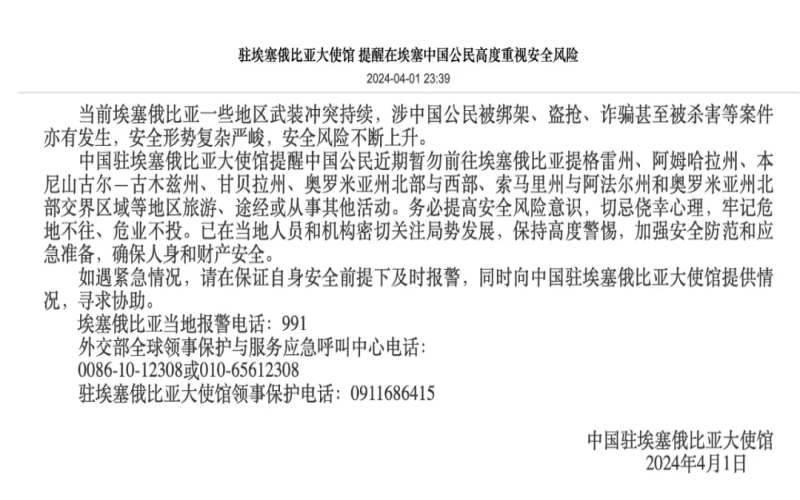
The Chinese Embassy in Ethiopia has issued a safety reminder: temporarily avoid travel to high-risk areas such as Tigray, affecting the coffee trade and tourism.
Recently, the Chinese Embassy in Ethiopia issued a notice advising Chinese citizens to temporarily avoid traveling to several high-risk areas, including Tigray and Amhara regions. The country's protracted civil war and local armed conflicts continue to spread, not only creating security risks but also severely impacting an economy and tourism industry that rely on coffee and agriculture and animal husbandry as pillars. As the recognized birthplace of coffee, Ethiopia's turbulent situation also affects the travel plans of coffee traders and bean hunters. This article outlines the background of the conflict, its impact on the economy and the coffee industry, and reiterates the embassy's safety recommendations, reminding those planning to travel to the country to remain highly vigilant and ensure their personal and property safety. [more…]